
Book With Us & Save Upto 5%
Copy the coupon code SMR18 to get upto 5% off on your booking.

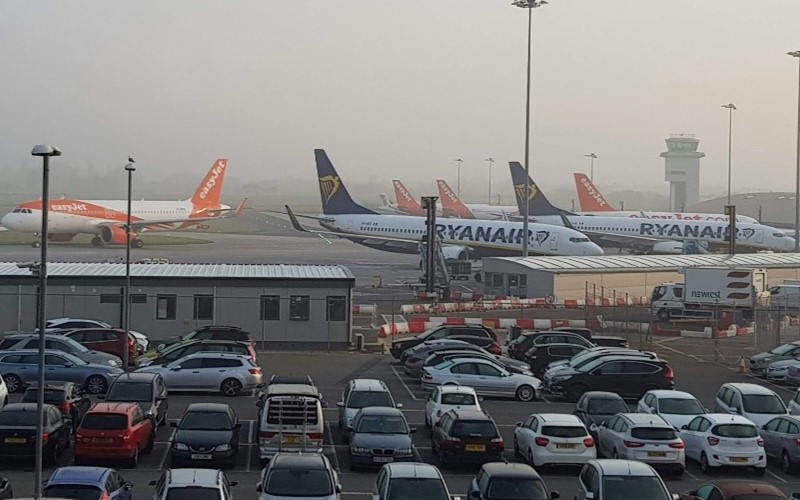
Airport parking costs have seen noticeable increases in recent years, leaving many travelers wondering why they’re paying more to park their cars at airports. Several factors contribute to these rising prices, and understanding them can help explain the changes.
As air travel continues to recover post-pandemic, the number of passengers has surged. This rise in passenger numbers means more people are looking for parking spaces, increasing the demand for parking facilities. With limited parking spots available, airports have responded by raising prices to balance the high demand with supply.
Like many other services, airport parking prices have been affected by inflation. The costs of maintaining parking facilities—such as security, staffing, and maintenance—have all increased. Airports pass these rising operational costs on to consumers through higher parking fees.
Many airports are undergoing major renovations and expansion projects to improve services and handle more passengers. These projects often come with high costs, and airports recoup some of this investment by increasing parking fees. For instance, multi-million or billion-pound upgrades to terminals, parking facilities, or new transportation options impact parking costs.
To ensure passenger safety, many airports have enhanced their security and monitoring systems. The installation of advanced surveillance cameras, additional lighting, and more patrols all contribute to increased operating expenses, which in turn lead to higher parking charges.
Some airports are introducing green initiatives, such as electric vehicle charging points, reducing carbon footprints, and improving sustainability. While these are positive changes, they come with additional expenses that are often reflected in parking costs. In some cases, eco-friendly initiatives may include upgrading parking lots or changing transportation infrastructures to accommodate these green policies.
Land near airports is often limited and expensive. As airports grow, they face space constraints, which can make expanding parking facilities costly. The high demand for land around airports, combined with construction costs, leads to more expensive parking rates for travelers.
For many airports, parking is a key source of revenue, and higher parking charges help boost income. This revenue is often reinvested in the airport's services, but in some cases, it’s also used to compensate for losses from other areas, such as fluctuating flight revenues.
The rise in airport parking fees can be attributed to a combination of factors, including increased demand, inflation, safety upgrades, expansion projects, and environmental initiatives. While the cost of parking has undoubtedly risen, travelers can still save money by pre-booking parking spaces, comparing off-site options, or exploring alternative transport methods to and from the airport.pre-booking parking spaces, comparing off-site options, or exploring alternative transport methods to and from the airport.